Our Topics

Vitality

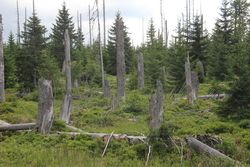
Storm damage, bark beetle infestation, oak processionary – various biotic and abiotic factors can cause damage in the forest. Data from intensive forest environmental monitoring helps to study the impacts of these calamities.

More
Vitality

Effects of global warming

Weather extremes – whether storms, droughts, heat, or late frosts – affect the forest. Data from intensive forest environmental monitoring show how changes in site and growth conditions are transforming forests.

More
Effects of global warming

Air pollution control

Long-term substance inputs via the air pose a threat to forest ecosystems. While the input of sulphur has been successfully reduced through air pollution control measures, nitrogen inputs remain high. They can lead to eutrophication and nutrient imbalances.

More
Air pollution control

Water balance

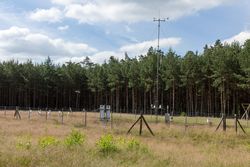
Soil moisture is an important indicator of the condition of the forest. Meteorological measurements provide information on precipitation and temperature for the study sites within the Level II network.

More
Water balance

Biodiversity

The ground vegetation is recorded on the Level II sites. The data shows how the species composition changes over time due to environmental drivers.

More
Biodiversity

Carbon cycle

On up to 68 Level II plots, parameters that help to better understand the carbon cycle are assessed as a part of the intensive forest monitoring programme. These parameters include soil carbon content, the characterisation of the humus layer, carbon inputs with litterfall as well as the growth rate of forest trees.

More
Carbon cycle

Nutrient availability

Sufficient nutrient supply is crucial for the growth and vitality of forest trees. In the Level II programme, nutrient supply is assessed through leaf or needle nutrient concentrations. Data on deposition and soil solution provide information about inputs and availability.

More
Nutrient availability

Scroll to top